

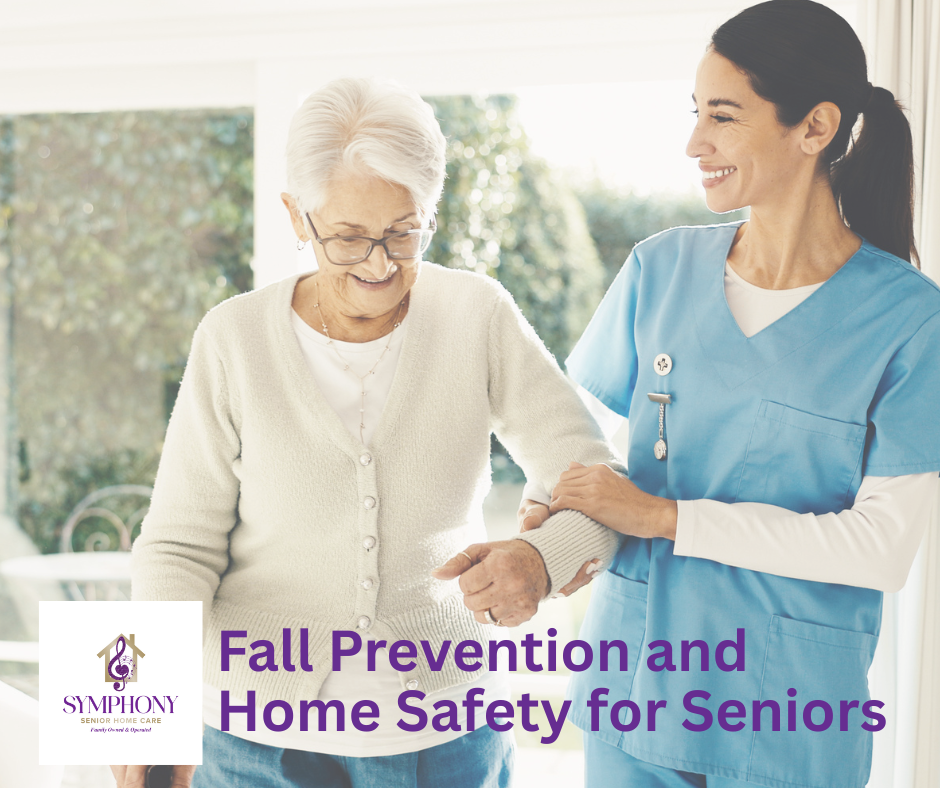
Most of us move through our homes without thinking much about it. We walk down the hallway in the dark, step over the edge of a rug, carry laundry down the stairs, or reach into a cabinet for something we have stored in the same place for years.
As we age, some of those everyday routines can become more difficult. Changes in balance, strength, vision, medications, or mobility can turn things that were never a concern before into potential fall risks.
That does not mean an older adult can no longer safely age in place. In fact, some relatively simple changes can make a home easier and safer to navigate while helping an older adult maintain their independence.
For families, the first step is often taking a fresh look at both the home itself and how their loved one is moving through it.
Why Do Falls Become a Bigger Concern as We Age?
Falls are common among older adults, but they should not simply be accepted as a normal part of getting older. More than one in four adults age 65 and older reports falling each year, and falls can result in serious injuries that affect a person’s ability to remain independent.
Fall risk can also involve more than one factor. The CDC recommends that older adults talk with their healthcare provider about their individual fall risk, have medications reviewed for side effects such as dizziness or sleepiness, keep vision prescriptions current, and participate in appropriate activities that improve strength and balance.
At home, families can also look for practical changes that may reduce everyday hazards.
Where Should Families Look for Fall Risks at Home?
You do not necessarily need to renovate the entire house. Start by walking through the places your loved one uses every day.
Entrances and Stairs
Look at how your loved one gets in and out of the house and moves between floors.
Are the steps well lit? Are handrails secure? Are walkways clear? Are there areas that become slippery during Minnesota’s snowy and icy months?
The CDC recommends handrails on both sides of staircases and adequate lighting throughout the home.
In Minnesota, home safety can also change with the seasons. Snow and ice can make steps, sidewalks, and entrances more difficult to navigate, while shorter winter days make good outdoor and indoor lighting especially important. Families may want to include entrances, handrails, and frequently used outdoor walkways when looking at an older loved one’s overall home safety.
Bathrooms
Bathrooms deserve particular attention because water and slippery surfaces can create additional hazards.
Grab bars near the toilet and in or around the tub or shower, nonslip surfaces, and adequate lighting can make the space easier to navigate. A night light can also make nighttime trips to the bathroom safer.
Bedrooms and Hallways
Think about the route from the bed to the bathroom, especially at night.
Is there a clear path? Is there enough light to see where someone is walking? Are shoes, cords, rugs, or other objects creating something to step around?
The National Institute on Aging recommends securing carpeting, addressing area rugs, and providing good lighting, particularly around stairs and other frequently used areas.
Kitchens and Living Areas
Look at where frequently used items are stored and whether your loved one has to reach, climb, bend, or navigate around furniture to get what they need.
Keeping floors and pathways clear of clutter and other trip hazards is one of the simple home-safety measures recommended by the CDC.
Pay Attention to Changes in Everyday Routines
A home safety checklist can be useful, but sometimes the biggest clues are changes in what your loved one is doing.
Maybe Mom has stopped going downstairs because carrying laundry back up has become difficult.
Dad may be reaching for furniture as he moves across the room.
Someone who always showered every morning may begin putting it off because getting in and out of the tub no longer feels comfortable.
Or perhaps your parent has stopped using part of the house altogether.
Those changes do not automatically mean someone needs in-home care. They do tell you that something has changed and may be worth talking about.
Ask your loved one what feels harder than it used to. You may discover a problem that is relatively simple to address, or you may realize they could benefit from additional support.
Home Safety Is About More Than the House
Removing a loose rug can address a trip hazard. It cannot explain why someone suddenly feels unsteady.
If your loved one has fallen, feels unsteady while standing or walking, or is worried about falling, the CDC recommends discussing it with their healthcare provider. Medication side effects, vision changes, and other health concerns can also contribute to fall risk and are worth discussing with the appropriate healthcare professional.
This is an important distinction for families considering in-home care.
A professional caregiver can provide valuable day-to-day support, but non-medical home care does not replace medical evaluation, physical therapy, or other clinical services when those are needed.
Often, supporting someone safely at home means looking at the whole picture.
How Can In-Home Care Support Safety at Home?
Sometimes the challenge is not the home itself. It is keeping up with everything that needs to happen within it.
An older adult may be able to remain at home but find certain daily tasks increasingly difficult. Depending on the care plan, in-home care may provide support with:
- Personal care such as bathing, dressing, and grooming
- Meal preparation and support with nutrition and hydration
- Medication reminders according to the care plan
- Light housekeeping and laundry
- Companionship and everyday routines
Having support with these tasks can make daily life more manageable without taking over the parts of life an older adult can and wants to continue doing independently.
At Symphony Senior Home Care, care begins with understanding the individual, their routines, their home, and where additional support may be helpful.
When Is It Time to Consider More Help at Home?
One fall does not automatically mean a parent can no longer live independently. Neither does needing help with laundry, meals, or personal care.
Instead, look for patterns.
Has your parent started avoiding certain activities? Are everyday tasks becoming more difficult? Have there been falls or near-falls? Is a family caregiver taking on more and more just to keep everything running?
Those changes can be a good reason to start a conversation about what would make life at home easier and safer.
If you have already started noticing several changes, our guide to how to know when your aging parent needs more help at home can help you think through what you are seeing and what your next steps might be.
Helping Seniors Stay Safe and Independent at Home
Home safety is not about removing every possible risk or taking away someone’s independence.
It is about noticing what has changed, addressing the risks that can be addressed, and finding the right support for the things that have become harder.
Sometimes that means adding better lighting or a grab bar. Sometimes it means talking with a healthcare provider. And sometimes it means having another person there to help with the routines of everyday life.
Symphony Senior Home Care is locally owned and independently operated in White Bear Lake and provides personalized in-home care throughout the seven-county Twin Cities metro area.
If you are beginning to wonder whether your parent or loved one could use more support at home, Symphony offers a free, no-obligation in-home consultation to help your family talk through what care could look like.
Locally Owned. Family Operated.