

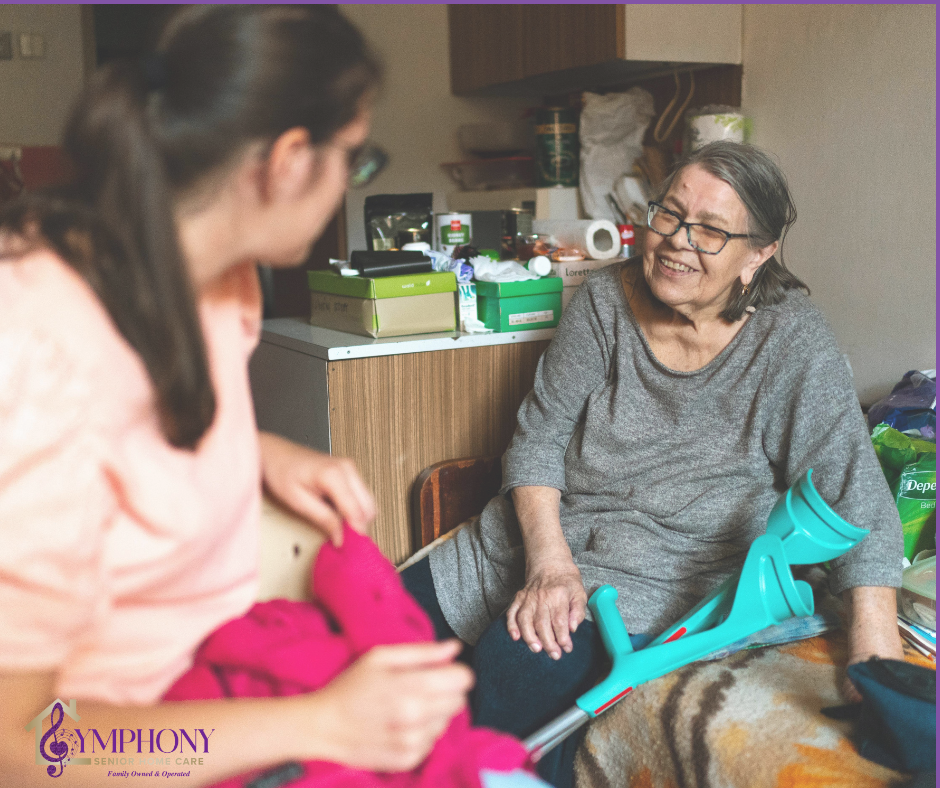
Many families understand that in-home care provides support, but they are often unsure what that support really looks like on a daily basis. Questions like “What does a caregiver actually help with?” or “Is in-home care only for medical needs?” are very common.
In-home care is designed to support everyday life. It focuses on helping seniors remain safe, comfortable, and independent at home while easing the responsibilities placed on family members.
Daily Support That Makes Life at Home Easier
In-home care helps with many of the small tasks that can become challenging over time. While each care plan is personalized, day-to-day support often includes:
- Assistance with morning and evening routines
- Help with dressing, bathing, and personal care
- Medication reminders
- Meal preparation and hydration support
- Light housekeeping and laundry
- Companionship and conversation
These services help seniors maintain familiar routines while reducing stress and fatigue.
Mobility and Safety Support at Home
Changes in balance or mobility can increase safety concerns, even for seniors who remain active and engaged.
In-home care can help with:
- Moving safely around the home
- Transfers from bed to chair
- Reducing fall risks
- Providing supervision during daily activities
Having consistent support at home often brings peace of mind to both seniors and their families.
Companionship and Emotional Well-Being
In-home care is not only about tasks. Emotional support and companionship play a major role in quality of life.
Caregivers provide:
- Regular social interaction
- Conversation and engagement
- Support during meals or activities
- A reassuring presence throughout the day
For seniors living alone, companionship can reduce feelings of isolation and help maintain emotional well-being.
Support for Family Caregivers
Many families provide care while balancing work, children, and other responsibilities. In-home care helps share that responsibility.
Care can be scheduled part-time or more frequently, depending on what a family needs. This flexibility allows family members to stay involved while ensuring consistent support is in place.
Care That Adjusts as Needs Change
One of the benefits of in-home care is flexibility. Support can evolve as needs change, whether that means adding additional hours or adjusting the type of assistance provided.
This allows seniors to continue living at home while receiving the right level of care at the right time.
Understanding What In-Home Care Can Offer
Understanding what in-home care actually helps with day to day can make it easier for families to decide when support may be beneficial. Care does not need to start all at once or feel overwhelming.
At Symphony Senior Home Care, we work with families across White Bear Lake and the Twin Cities North Metro to provide thoughtful, personalized in-home care that supports daily life at home.
If you are exploring care options, learning what support can look like is often the first step toward clarity and peace of mind.